1
Opening discussion
Set the question
Members identify a public issue and frame the questions the House will consider.

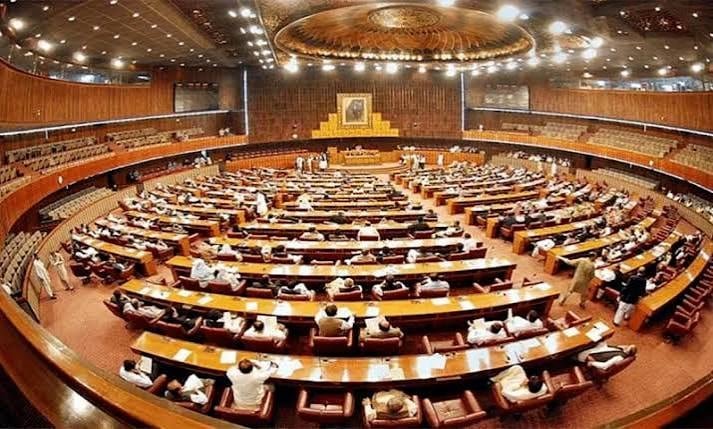
Step inside a model parliamentary sitting and follow the questions, arguments and proposals that bring members into public debate.
A Sample Sitting
A model session gives members a practical way to learn parliamentary business. The order below is an illustrative learning sequence; the agenda can vary by sitting.
Opening discussion
Members identify a public issue and frame the questions the House will consider.
Ask · respond · examine
Members put questions on public matters and practise seeking clear, relevant answers.
Make the case
A motion brings a matter before the House. Members present arguments, listen to other views and respond with care.
Draft · amend · consider
Members introduce bills, examine clauses, propose amendments and discuss how a proposal could address a public problem.
Consider the outcome
After discussion, members practise the House's decision-making process and reflect on the reasons behind the result.
The practice of debate
Principles in the chamber
Take the Floor
Choose a motion, gather your points and practise delivering a clear, focused contribution to the House.
The motion before the House
“This House believes that civic education should be taught in every secondary school.”
Committee Scrutiny
Committee work brings detailed examination to public policy. Try a fictional hearing and choose questions that test claims with precision.
Inside the committee room
Interactive exercise
Choose a question after each answer. The transcript is fictional.
Uncorrected transcript
Fictional exercise
Ministry official
“The Ministry is fully prepared to introduce civic education in every school next year.”
Your question · 1 of 3
From discussion to lawmaking
Follow the steps from drafting and scrutiny to debate and a decision.
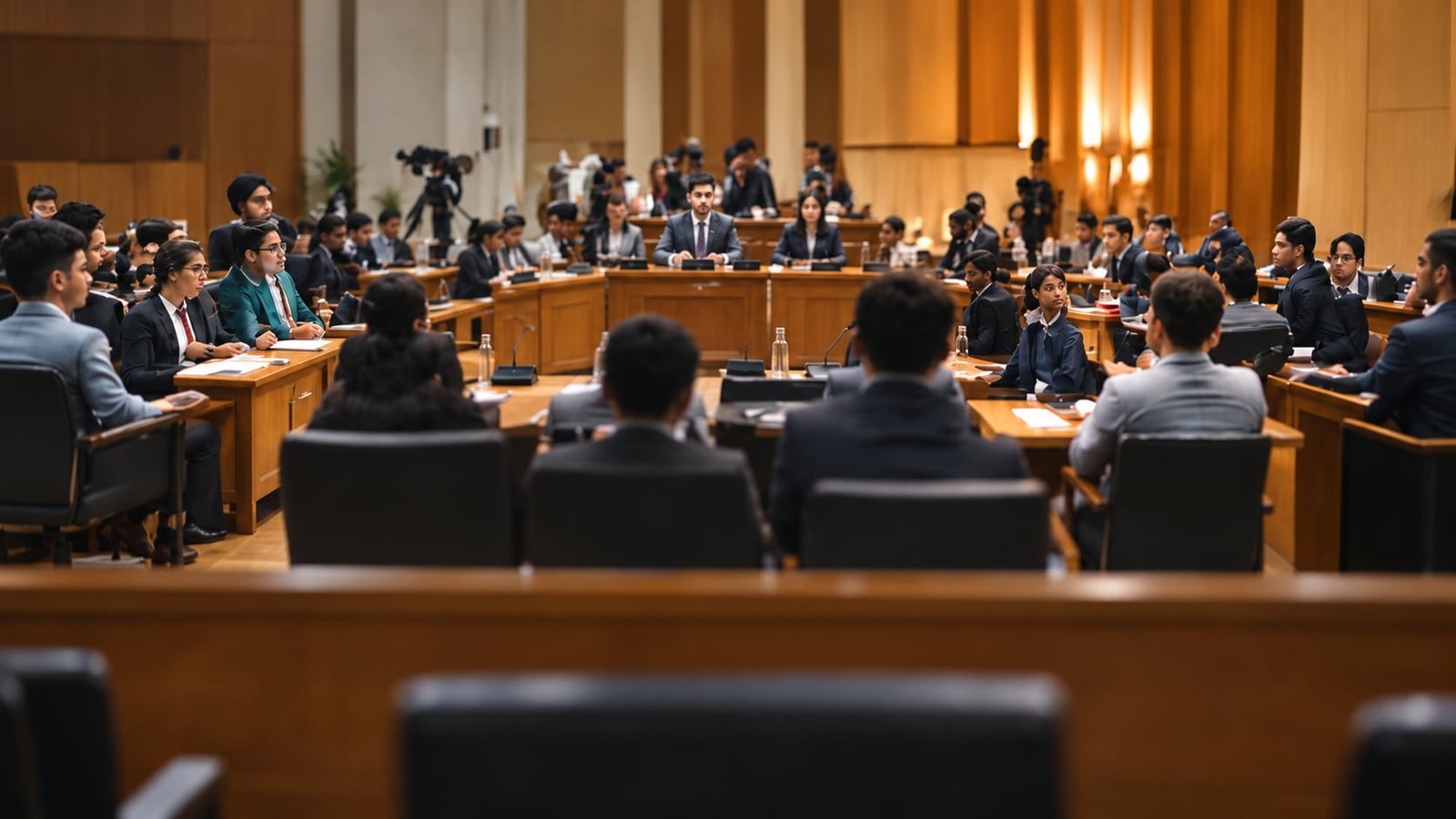
Build practical understanding of parliamentary work by learning, speaking and debating as a member.