Model Senate & National Assembly
Experience Pakistan's bicameral parliamentary system through simulated sessions.
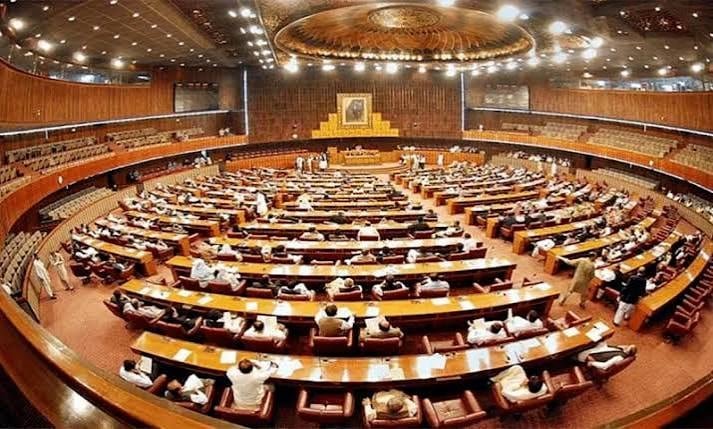
National Assembly
Seats held by Public MNAs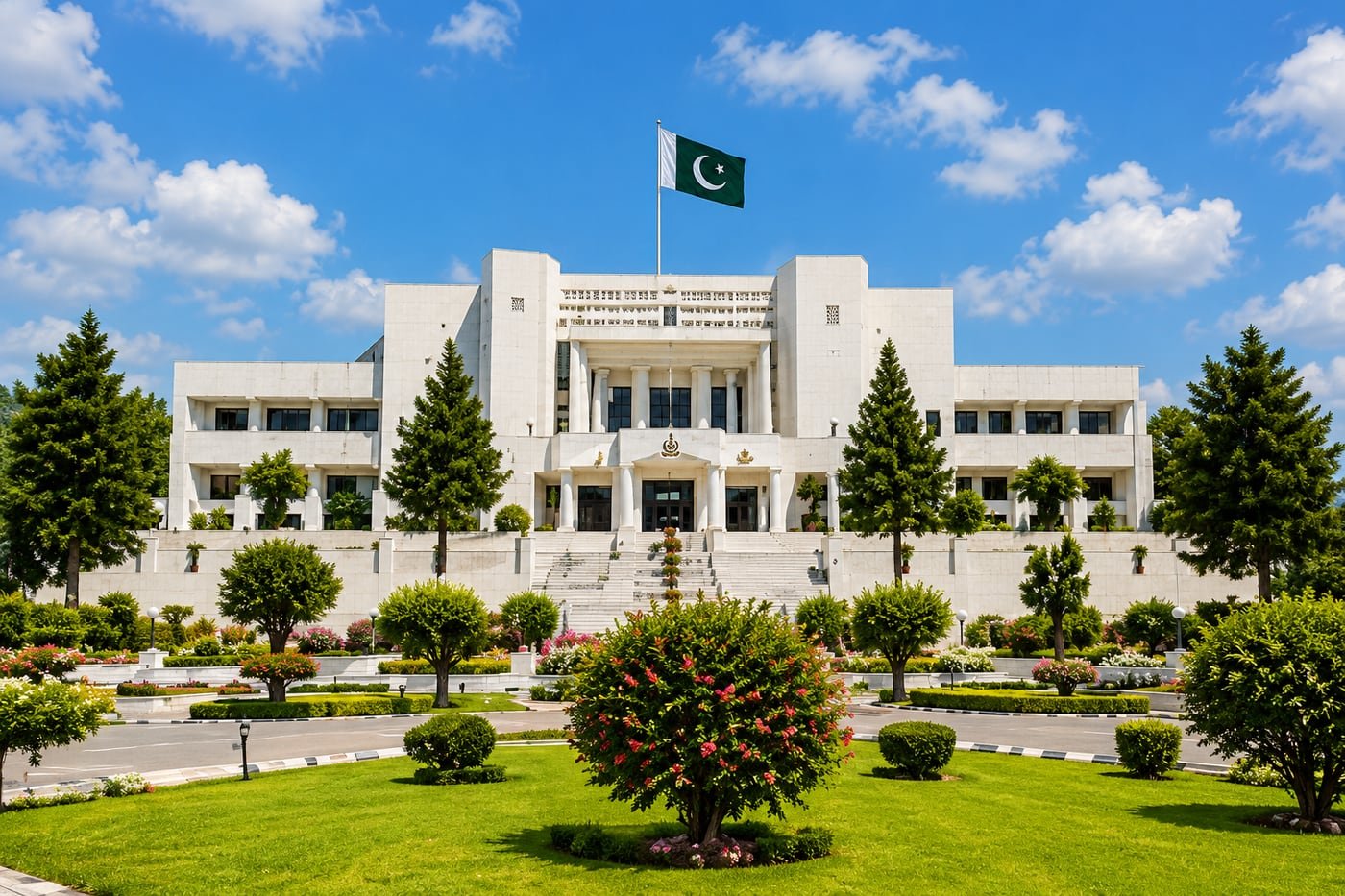
Senate
Seats held by Public Senators Two Houses · One Parliament
The Chamber
How each House is composed
Switch between the two Houses to see how their seats are filled.
Public MNAs
National Assembly
- General seats266
- Reserved for women60
- Reserved for non-Muslims10
Seats in Pakistan's Parliament as provided by the Constitution. Members of the Public Parliament learn how each house is composed before contesting for their own seats.
Inside a Sitting
Orders of the Day
Every simulated sitting runs to an order paper, just as a real House does.
Public Parliament of Pakistan
Model National Assembly
Orders of the Day
Specimen order paper for a simulated sitting
Members put questions on public matters during question hour and receive answers on the floor.
Motions on matters of national importance are moved, debated and put to the House.
Bills are introduced and considered, amendments are proposed and the House divides on them.
Committees present their scrutiny of policies and bills referred to them.
An open debate on a national challenge, argued with evidence, confidence and courtesy.
Legislative Business
How a bill travels through two Houses
Members learn the legislative path of Pakistan's Parliament step by step, then practise it themselves by drafting, debating and voting on bills.
“Learn how to formulate bills, propose amendments and develop solutions to public problems.”
Legislative Drafting programmeStage 1
Drafting
A member formulates the bill: the problem it addresses, its purpose and its clauses.
Stage 2
Introduction
The bill is introduced in one House, the National Assembly or the Senate.
Stage 3
Committee scrutiny
The relevant committee examines the bill and may propose amendments.
Stage 4
Debate and vote
The House considers the bill clause by clause, debates it and puts it to the vote.
Stage 5
The other House
Once passed, the bill is sent to the other House, which may pass, amend or reject it.
Stage 6
Joint sitting
If the two Houses disagree, the bill may be taken up at a joint sitting of both Houses.
Stage 7
Assent
Passed by Parliament, the bill goes to the President for assent and becomes an Act.
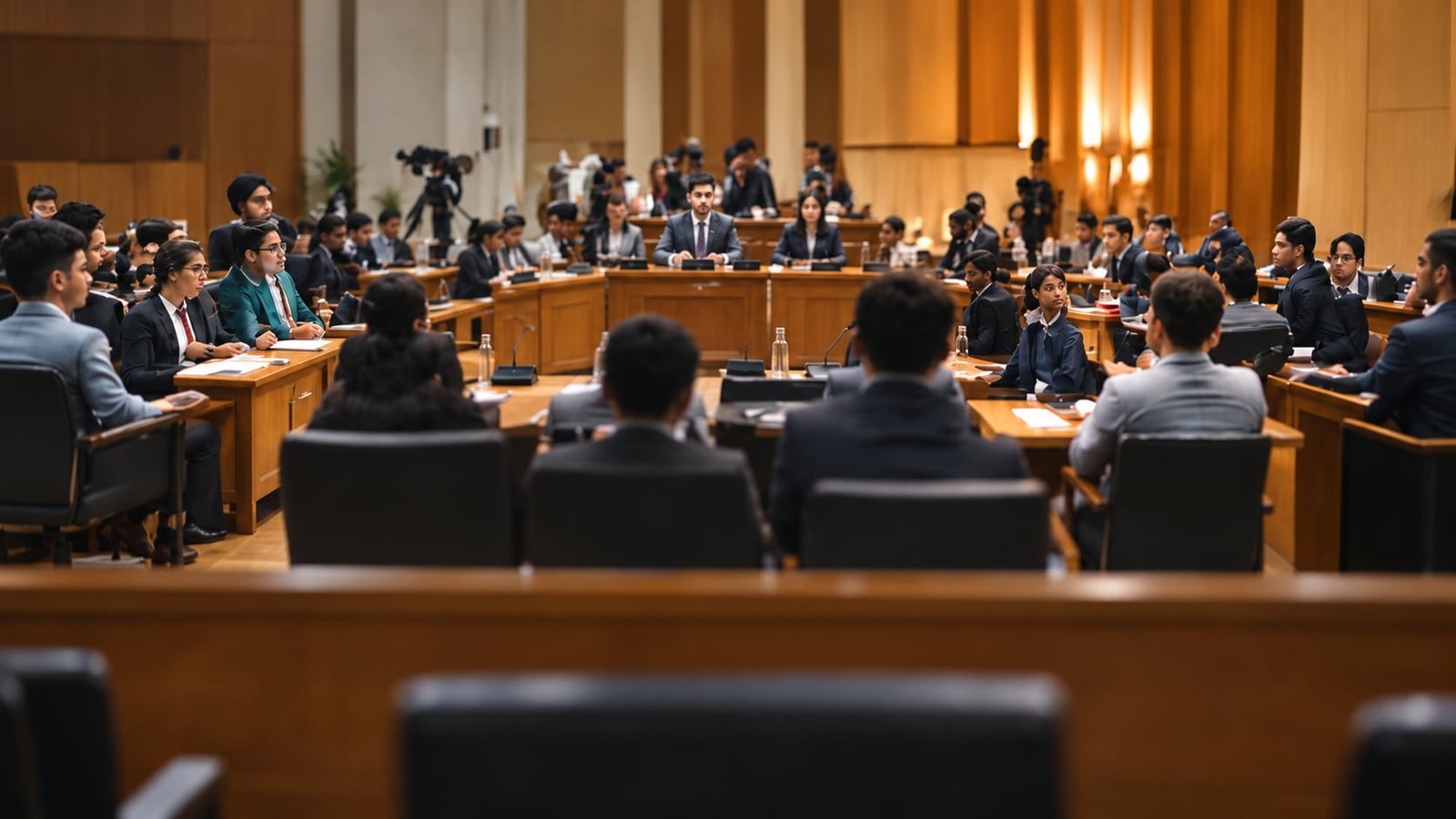
Take your seat in the House
Become a member, get trained in parliamentary affairs and contest the Public Parliament elections to sit as a Public MNA or Public Senator.